
Overview of Metal Siding
What is Metal Siding?
Metal siding can refer to a variety of metal panel systems intended for the facades of homes and businesses. Historically, the term may bring to mind a flat steel or aluminum panel, but with modern design and manufacturing innovations, metal siding constitutes more than just roll-formed products. Extruded aluminum metal cladding panels offer a more robust product, engineered specifically to provide an interlocking, easy to install product that provides structural, aesthetic, and environmental benefits.
Advantages of Metal Siding for Businesses & Homes
In recent years, the market has grown to favor metal siding for houses and commercial buildings as a smart choice amidst concerns about severe weather events, durability, and sustainability. Metal siding panels are a fire-safe material selection, especially when compared to alternatives like wood, vinyl, or composite. Metals like aluminum are naturally non-combustible, and can be made even more fire-resistant through responsible manufacturing and finishing processes, like powder coating and sublimation. Additionally, metal exterior siding panels – particularly extruded products – are simple to install on any substrate, often using concealed fastening methods that result in a clean, modern look that cannot be achieved with alternatives. Powder-coated and sublimated aluminum siding panels have an extra layer of protection against impact and natural elements, meaning that warping and cracking will be avoided, even with minimal maintenance.
Current Design Trends
Decorative Metal Siding for More Engaging Exteriors
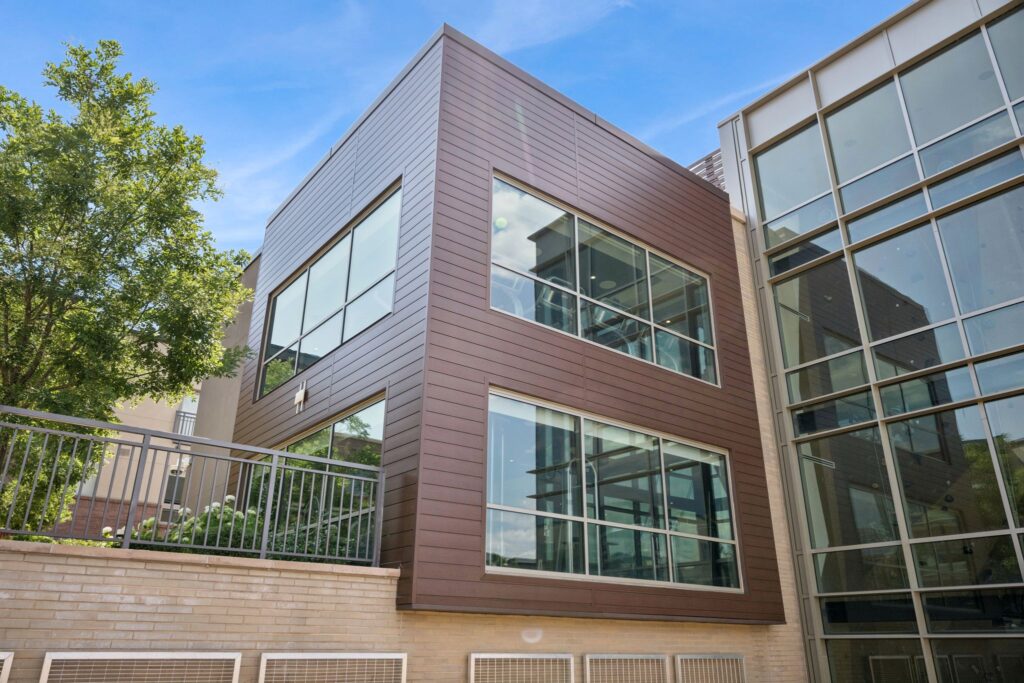
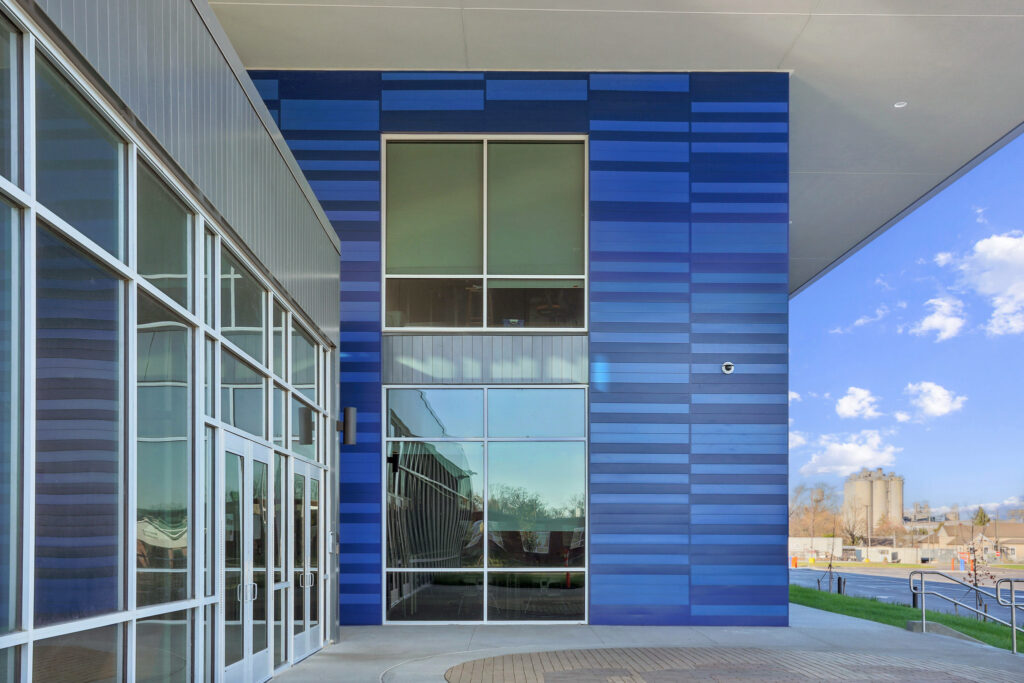
Decorative metal siding is becoming a popular choice for commercial buildings such as offices, schools, multifamily buildings, and more. Metal panel systems like cladding and even battens provide an easy way for architects and building owners to incorporate areas of visual interest on their facades without undergoing a complicated exterior renovation. For example, a brightly colored area of cladding on the front entrance to an office building helps add a lively design element as well as visual way-finding. Or, aluminum cladding panels and aluminum battens in a woodgrain in school courtyard are an easy way to add a modern, upscale touch to a common area.
Mixing Aluminum Siding with Contrasting Materials
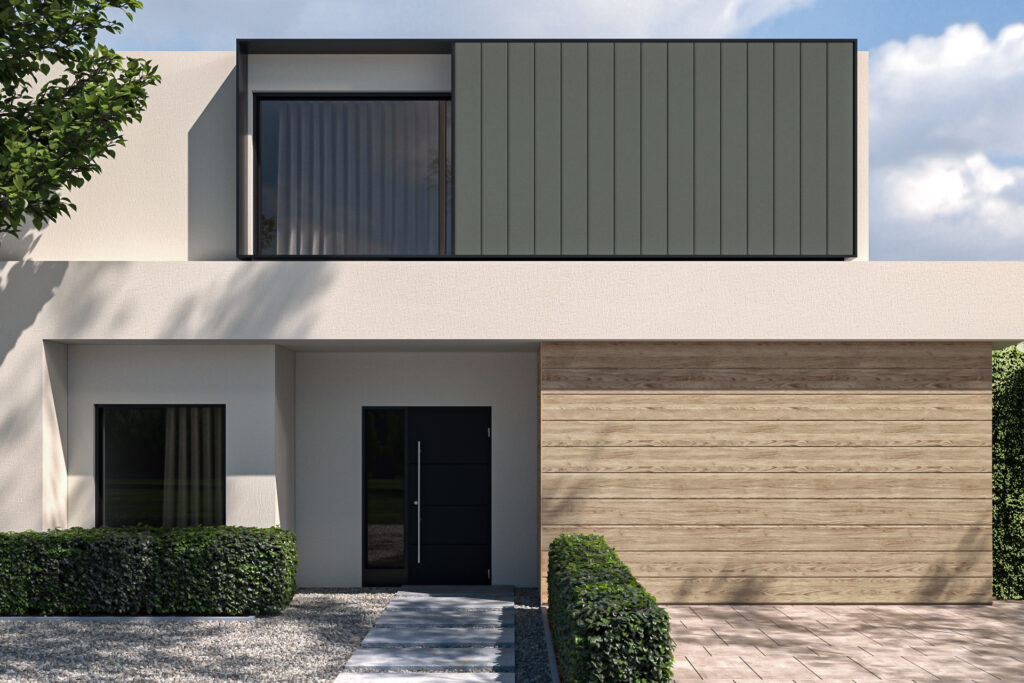
As decorative metal siding continues to gain widespread popularity in contemporary architectural design, designers are increasingly exploring opportunities to pair it with traditional building materials such as concrete or brick. This thoughtful combination creates striking visual contrasts that allow the metal panels to truly stand out as distinctive design elements. Even relatively small additions to an existing structure—such as incorporating just a few strategically placed sections of woodgrain-finished aluminum exterior panels or modern steel siding—can dramatically and substantially transform the appearance of a dated building exterior, giving it a fresh, modern aesthetic.
Color Trends in Metal Exterior Siding Panels
Current color trends favor bold, saturated hues alongside natural woodgrain finishes. Deep blues, rich greens, and warm terracotta tones are replacing the neutral grays that dominated previous years. These vibrant colors allow buildings to make stronger architectural statements while maintaining the durability and low-maintenance benefits of powder-coated aluminum.
Types of Metal Siding Materials
Residential Metal Siding vs Commercial Steel Siding
When it comes to selecting metal siding material for a home or business, there are varying considerations to keep in mind. Metal siding options like aluminum architectural panels will often come in a range of sizes; for residential metal siding projects, it’s likely that you would want to choose a smaller width like a 4″ or 6″ panel for a classic paneled look. Commercial projects, however, require customer-focused thinking: Do you want a facade that attracts attention? Or panels in colors that reflect your brand? Where can I buy metal siding that meets both aesthetic and budget requirements? Commercial projects also face strict deadlines and budgets, making larger 12″ aluminum architectural cladding panels an excellent choice. These metal panels for siding and roofs reduce the number of panels needed and install quickly thanks to their lightweight, interlocking extruded design. Steel siding for homes and commercial steel siding both benefit from concealed fastening systems that create a clean metal siding wall.
Aluminum Siding and Aluminum Panels
While “aluminum siding” and “aluminum panels” are often used interchangeably, they have important distinctions. Traditional aluminum siding panels typically refer to roll-formed products with a thinner gauge. Aluminum architectural panels—especially extruded options—offer superior strength, better weather resistance, and more sophisticated installation systems. Extruded aluminum panels feature engineered shapes that create seamless facades and provide enhanced structural integrity compared to conventional metal siding exterior products. This stems from both the durability of the aluminum material and the design of the panel system itself. For example, Parallel Architectural Products’ aluminum panel system uses cladding clips to ensure seamless installation, better thermal regulation, and multiple installation configurations.
In Conclusion: Creating Metal Walls with Design & Functionality In Mind
Metal siding is a popular choice in modern architecture for its durability, sustainability, and versatility. Extruded aluminum architectural panels offer additional advantages—superior engineering, simple installation, and extensive customization through powder coating and sublimation. Decorative metal walls are increasingly common in today’s design landscape. These strategic installations communicate brand identity, create engaging visual focal points, and refresh outdated facades. As rich, warm tones and woodgrain finishes gain popularity, choosing a metal panel system that offers a wide color range—and the ability to mix and match—is essential.