
Introduction to Timber Look Aluminum Battens
Definition and Characteristics
Timber look aluminum battens have become a staple in modern architectural design. Used for exterior facades, as well as interior focal points, wood grain aluminum battens are a versatile, dynamic addition to contemporary spaces.
A typical metal batten comes in the form of two profiles that attach to one another to create the final hollow, square tube-like shape. The resulting lightweight batten assembly is easy to attach, typically via the use of direct fastening and/or brackets. An easy-to-use profile, timber look aluminum battens are low-effort, long-lasting, and impactful.
Evolution of Siding Materials
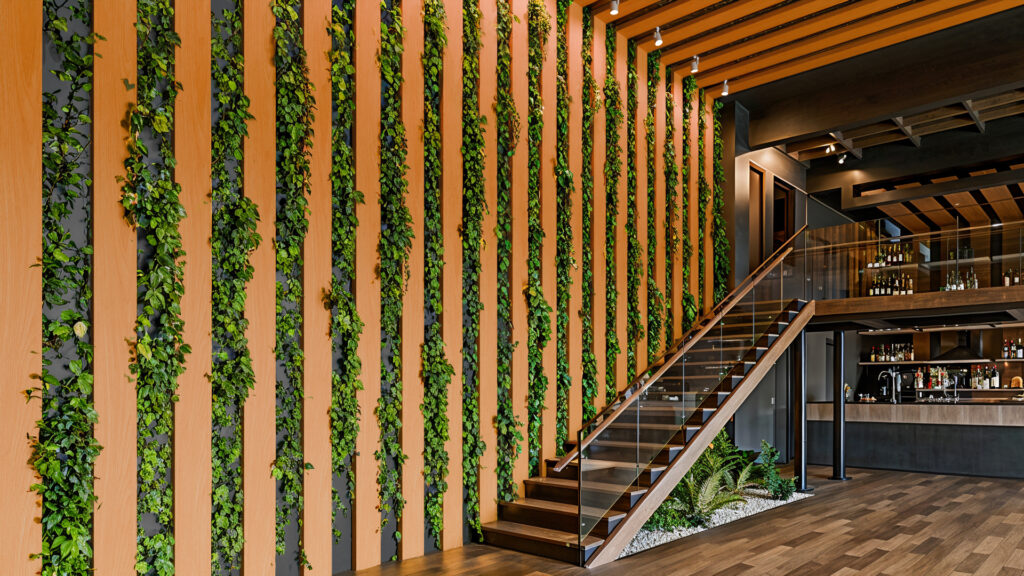
Metal has become an increasingly popular choice for siding and façade material, with aluminum presenting itself as a top choice due to its light weight, customization capabilities, and durability among other benefits. We are also seeing that architects and designers desire to push beyond using just siding panels or cladding boards for façade design. The addition of battens in a metal board and batten siding installs or in more detailed, artistic arrangements is becoming more common as the industry looks to evolve.
Benefits of Using Timber Look Aluminum Battens
Sustainable Building Materials
Sustainability is a top concern for architects, designers, and consumers today. Choosing climate-friendly materials is a key way that the AEC industry can be proactive in the pursuit of more environmentally conscious building practices; that’s where timber look battens come in. By providing the look of wood without the climate cost, aluminum battens allow designers to achieve the aesthetics they desire without compromising on sustainability or performance. Timber look aluminum battens are:
- Long-lasting: Unlike natural timber, aluminum battens resist warping, rotting, cracking, and insect damage. Their durability ensures a longer lifecycle, reducing the need for frequent replacements and minimizing material waste over time.
- Lightweight: Aluminum’s low weight makes it easier to transport, handle, and install compared to traditional timber. This not only reduces labor and installation time but can also lower transportation emissions and structural load requirements.
- Free of Harmful Chemicals: Timber look aluminum battens eliminate the need for chemical treatments, sealants, and preservatives typically required for natural wood. This contributes to healthier indoor and outdoor environments while reducing the release of volatile organic compounds (VOCs).
Cost-Effectiveness vs. Traditional Wood
In some cases, wooden battens may have a lower upfront cost. However, throughout their lifecycle a wooden batten has a greater propensity for wear and tear, including warping, fading, cracking, and rotting. Wood battens also require refinishing to maintain their appearance, and can attract pests like termites. On the flip side, aluminum battens are inherently strong and warp-resistant. Powder-coated timber look battens have further durability due to the thickness and impact resistance of the applied powder coats. Additionally, these powder coats are VOC and red list chemical-free, so you can rest assured that your battens will not only last longer and provide a notable return on investment, they are also a climate and human-safe product.
Maintenance and Durability
Timber look aluminum battens are designed for long-term performance in exterior and interior environments, especially when finished with a high-quality powder coat. Compared with natural timber, aluminum does not absorb moisture, so it is far less prone to swelling, splitting, rot, or insect damage.
- Low routine upkeep: Periodic rinsing with water and mild soap is typically sufficient to remove dust, airborne pollutants, and salt residue in coastal environments.
- Color and finish stability: UV-stable powder coatings and quality sublimation or wrap finishes help maintain a consistent wood-grain appearance over time.
- Impact and wear resistance: Aluminum profiles are inherently strong, and thicker coatings can improve scratch and chip resistance.
- Consistent performance: Because the profile is manufactured to tight tolerances, battens maintain alignment and spacing with less risk of warping.
When specifying battens for demanding climates, it is worth confirming the coating warranty, corrosion resistance, and recommended cleaning schedule based on proximity to the ocean, industrial areas, or heavy traffic corridors.
Applications in Commercial Building Exteriors
Design Flexibility with Wood-Like Aluminum Siding
Timber-look battens can be used in tandem with aluminum cladding panels to create board-and-batten style facades, as well as dynamic installations that create visual interest via mixing and matching sizes, install orientations, finishes, and more.
- Orientation options: Vertical metal siding panels are a natural fit for batten systems, but horizontal layouts and mixed-orientation feature walls can also add movement and contrast.
- Profile variety: Designers can layer thin and wide battens to create rhythm, shadow lines, and a sense of depth without heavy materials.
- Material pairings: Wood-like aluminum siding and battens pair well with glass, concrete, stone veneer, and metal panels to balance warmth and durability.
- Color and texture control: Powder coating and sublimation can deliver consistent wood grain with more predictable performance than many natural wood finishes.
Popular Uses in Urban Architecture
In commercial building exteriors, timber look aluminum battens are often specified for projects that need a premium look with low maintenance and long-term reliability.
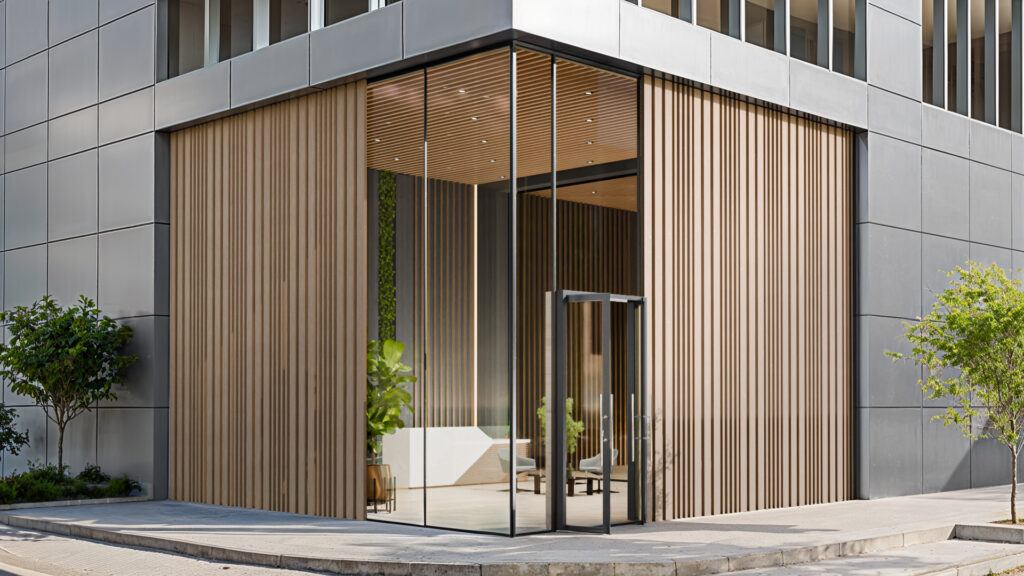
- Storefronts and mixed-use ground floors: Battens help create human-scale warmth at street level while keeping a durable, easy-to-clean exterior.
- Office and hospitality façades: Vertical batten installations can unify large elevations and add shadow play that changes throughout the day.
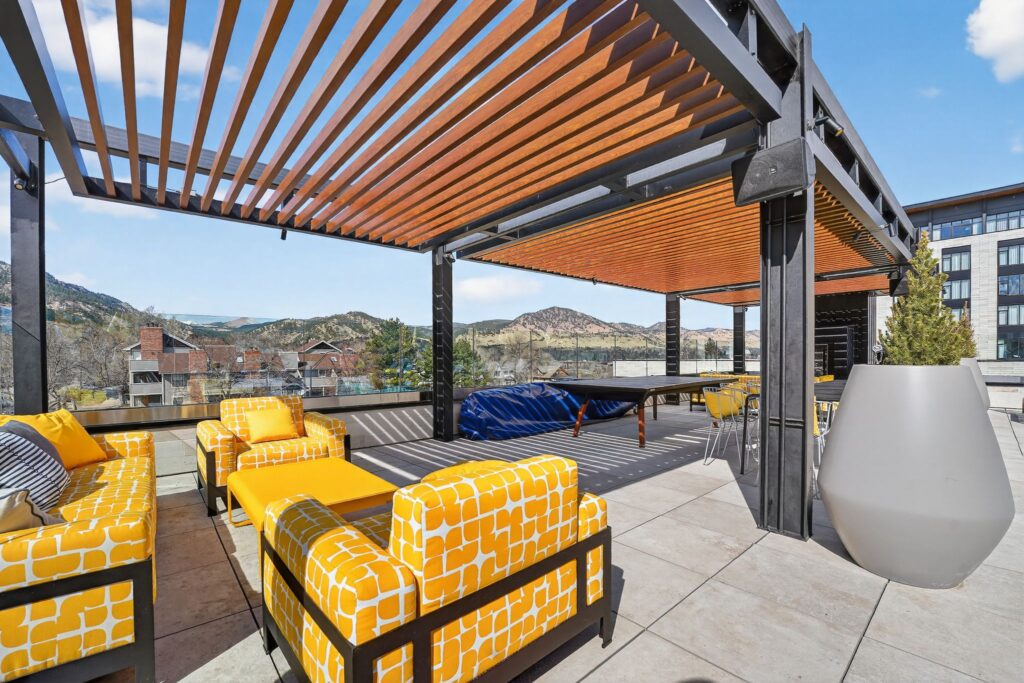
- Screen walls and sun control: Batten screens can reduce glare and solar heat gain while preserving views and supporting airflow.
- Entry canopies and accent volumes: Wood-grain battens can visually anchor entrances and highlight key architectural moments.
- Parking structures and service areas: Durable battens can elevate utilitarian zones and help conceal mechanical equipment.
When planning a batten layout, it is worth coordinating early with the façade engineer and installer to confirm wind-load requirements, bracket spacing, expansion allowances, and any fire or code constraints for rainscreen assemblies.
Innovative Technologies in Aluminum Battens
Triple-Lock Technology in Batten Installation
The Triple-Lock Batten system uses interlocking profiles that “click” or “lock” together for faster alignment and a cleaner finished look. Triple-Lock Technology offers:
- More secure engagement: Three retaining edge locking points reduce the chance of panels backing out over time.
- Cleaner sight lines: Fasteners are often concealed, which supports a crisp, contemporary façade.
- Quicker install: Installers can achieve consistent spacing with fewer measuring steps.
- Better tolerance control: Interlocking profiles help keep runs straight, especially on long elevations.
When specifying the Triple-Lock Batten system, architects and builders can feel confident they are choosing one of the most secure battens on the market. It offers three locking points, compared with one or two in many competing products. The self-mating design simplifies installation while preserving a seamless, contemporary aesthetic.
Conclusion
Future of Contemporary Design Elements
As contemporary architecture continues to prioritize clean lines, material honesty, and high-performance envelopes, timber look aluminum battens are positioned to stay relevant. They offer architects a reliable way to introduce warmth, shadow, and rhythm without the drawbacks that can come with natural timber in demanding exterior environments. As façade systems keep evolving, expect to see more integrated board-and-batten assemblies, multi-width patterns, and screen applications that support both aesthetics and building performance.
Embracing Sustainability in Architecture
Timber look aluminum battens fit naturally into sustainable design conversations because they can help reduce the reliance on high-maintenance, frequently replaced exterior wood products. When paired with responsible manufacturing, long-lasting finishes, and the recyclability of aluminum, they support a more durable building envelope that can perform for decades with minimal upkeep.
To strengthen a sustainability narrative in a spec package or client presentation, it helps to highlight practical, verifiable considerations:
- Lifecycle thinking: Longevity, reduced replacement frequency, and lower maintenance inputs over time.
- Finish and coating selection: Preference for low-VOC, Red List–free coatings when available, and manufacturer documentation.
- End-of-life pathways: Aluminum’s recyclability and take-back or recycling programs where applicable.
- Performance alignment: Using batten screens for shading, ventilation, and glare control as part of an overall passive strategy.
Ultimately, timber look aluminum battens give designers a way to deliver warmth and texture without sacrificing durability, which makes them a compelling contemporary façade element for commercial projects.