Infinitely Recyclable
Supported by mature recycling infrastructure in many regions, aluminum can be recycled repeatedly without losing its performance, making it an ideal choice for architects and builders who prioritize sustainability.

Climate-Smart & Resilient Materials
Choosing materials is one of the earliest and most impactful sustainability decisions in a project. When you prioritize products with clear end-of-life pathways—like reusable, reclaimable, or truly recyclable options—you reduce waste, protect long-term material value, and support a more circular building industry.

Recycling and reclaiming building materials keeps debris out of landfills—and it starts with what’s specified up front. Some products—like composites, fiber cement, or plastics—claim to be recyclable, but the real pathway may be limited, expensive, or energy-intensive. Aluminum is often a more climate-smart choice because it can be recycled repeatedly; about 90–95% is recovered and recycled at end of life.

Before specifying a product solely because it claims recyclability, ask:
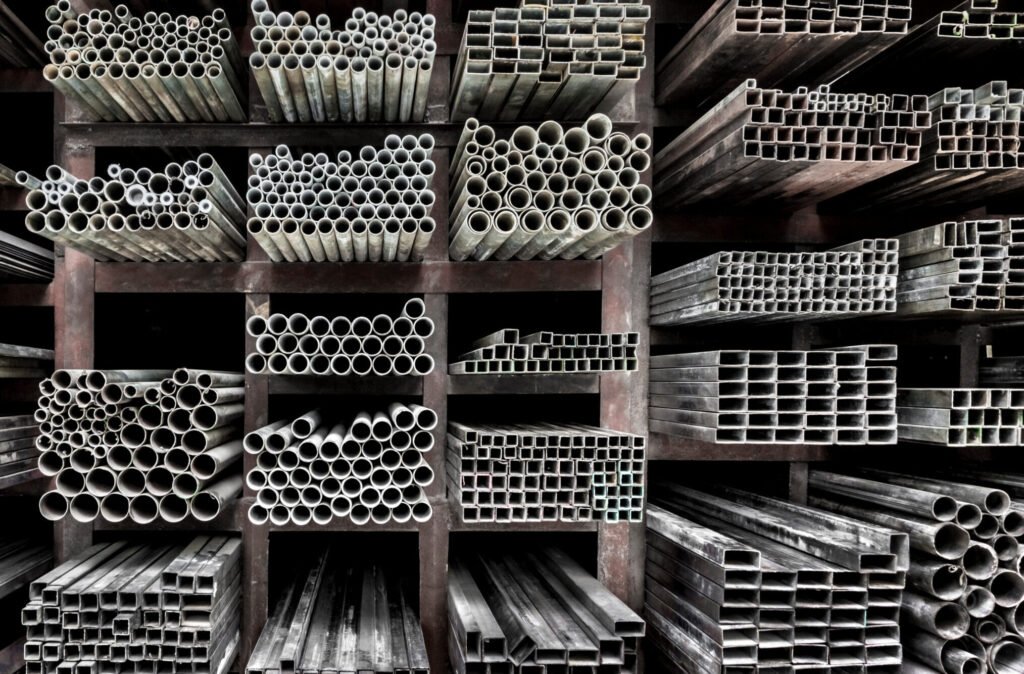
Reclaimed materials typically maintain their original form and are cleaned, refinished, or adapted for a new purpose.
Supported by mature recycling infrastructure in many regions, aluminum can be recycled repeatedly without losing its performance, making it an ideal choice for architects and builders who prioritize sustainability.
Aluminum is often a better long-term alternative to plastics-based or composite materials that are harder to recycle in practice, and can release harmful compounds over time.
Highly recoverable at end-of-life (with strong recovery rates in the built environment), which means a large share of aluminum products used in buildings are collected and returned to the supply chain rather than landfilled.