
Understanding Aluminum Siding
What is Aluminum Siding?
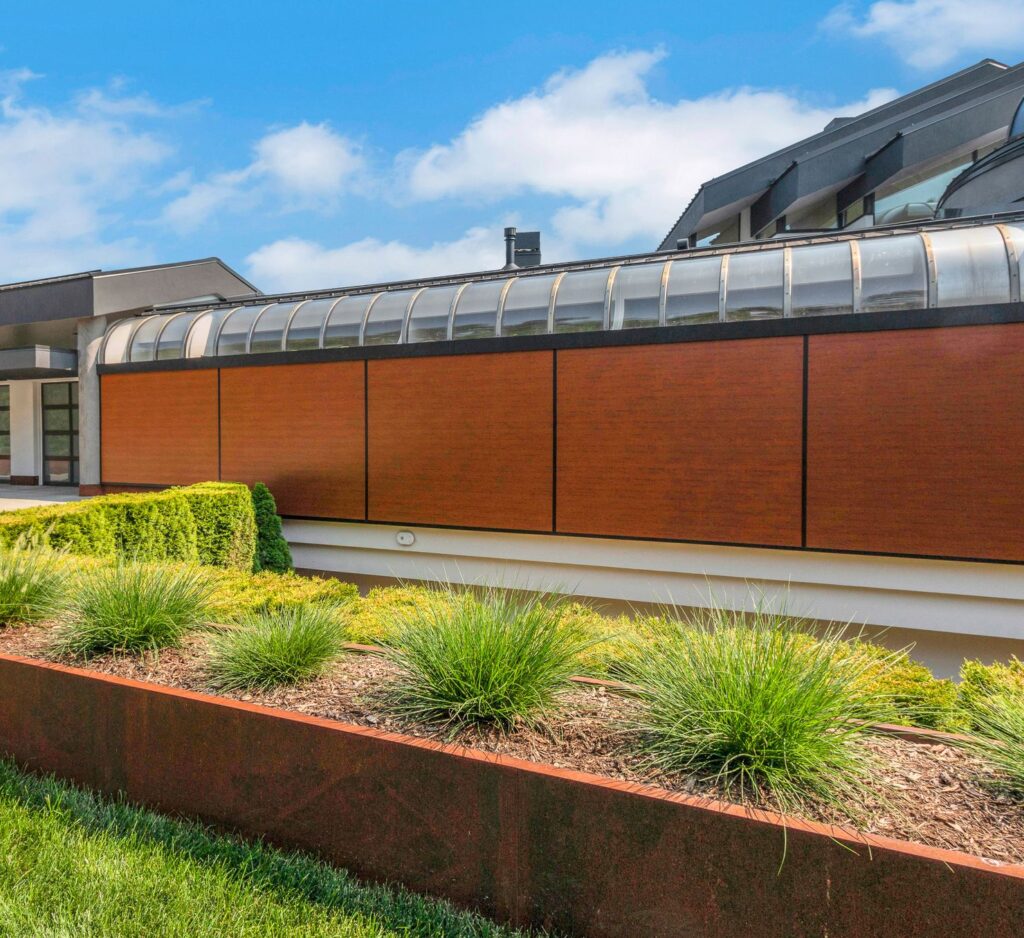
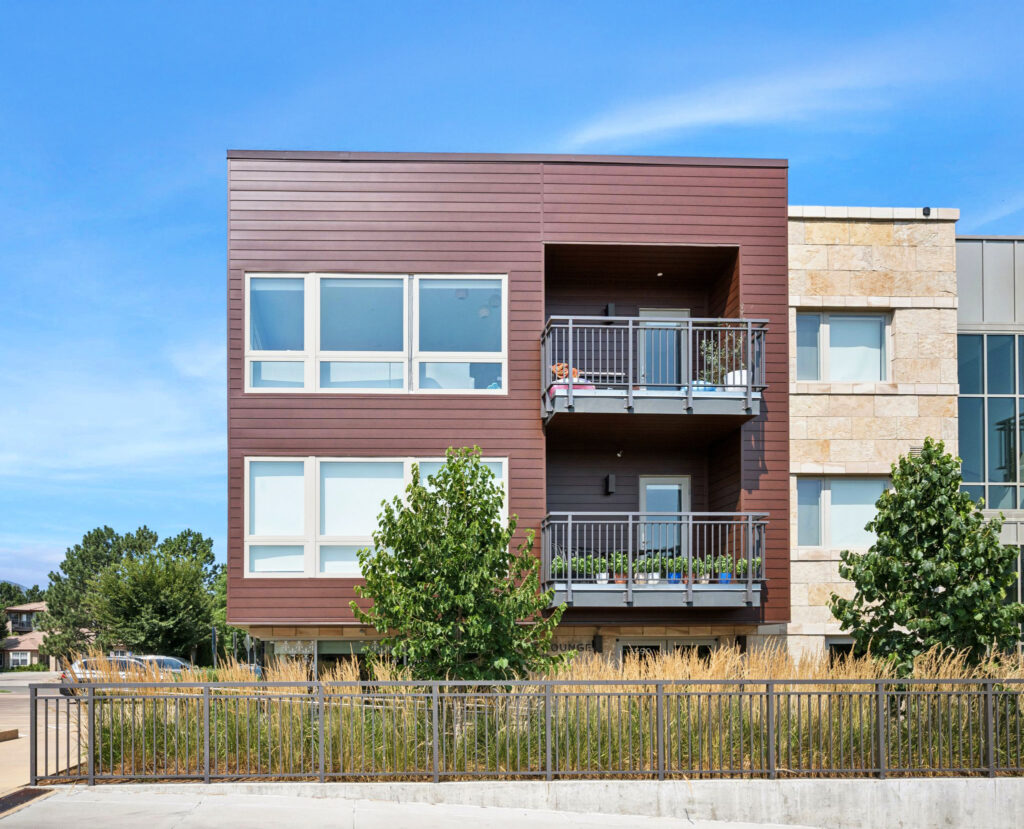
The term “aluminum siding” can refer to a variety of things, from ACM panels to traditional shingles, corrugated panels, or more robust extruded wood grain aluminum cladding. Using aluminum siding panels is a popular way to add long-lasting, low-maintenance curb appeal to residential and commercial exteriors, especially when high-quality, concealed fastener products are used. Metal facade cladding and exterior facade panels like these provide both aesthetic appeal and functional protection.
Benefits of Aluminum Siding Panels
- Design Customization: Aluminum siding panels, particularly expertly-engineered extruded cladding boards like Parallel’s, are made with versatility in mind. It’s easy to create the design you envisioned, whether it’s a board and batten look, horizontal cladding, vertical cladding, or a mix.
- Minimal Maintenance: Aluminum is easy to maintain, and in most climates a yearly cleaning with clean water does the trick. If needed, a mild soap or detergent can be used. Overall, because of the strength of aluminum alloy, homeowners and business owners alike can expect their aluminum siding to last a lifetime.
- Color and Finish Options: Powder coating and sublimation technologies make it easy to create a variety of aluminum siding colors to match any architectural vision, from neutral solid colors to bold tones, metallics, and wood grain finishes.
- Easy Installation: As you’ll learn in the remainder of this article about how to install aluminum siding, aluminum metal siding install is simple, particularly when you utilize interlocking extruded cladding panels like Parallel’s. Installation requires less labor and time than other materials, with a result that lasts longer and looks better.

Preparing for Installation
Planning Your Project
When planning to install Parallel aluminum cladding boards, the best place to start is with our knowledgeable team. We can help you determine the right products for your project, provide installation guides, and connect you with installers in your area. Additionally, you’ll want to assess your building’s current exterior condition, ensure proper structural support, and gather all necessary permits before beginning the aluminum siding installation process.
Tools and Materials Needed
Our installation guide gives you a rundown on what tools are needed for the install process, and our estimating team can help you determine how much material is appropriate for your project.
Essential tools include a miter saw for cutting panels, a level for ensuring straight installation, a dead blow hammer, measuring tape, safety equipment like gloves and eye protection, and fasteners specified in our installation guidelines.
Step-by-Step Installation Tips
For step-by-step cladding installation information, download our guide here and watch our install videos here. Below you’ll find a few of the key steps and tips for ensuring your aluminum siding installation goes smoothly.
Tip 1: How to Properly Measure and Cut Panels
Accurate measurements are crucial for a professional-looking aluminum siding installation. Always measure twice and cut once, accounting for thermal expansion by leaving appropriate gaps as specified in the installation guide. Use a quality miter saw with a fine-tooth blade designed for cutting aluminum to ensure clean, precise cuts when working with exterior facade panels.
Tip 2: Installing the Starter Strip Correctly
The starter strip is a key piece in ensuring your horizontal or vertical aluminum siding installation goes smoothly. Begin by installing the starter strip level and securely fastened to provide a solid foundation for your first row of aluminum siding panels. Double-check that it’s perfectly level using a long level, as any deviation will compound as you progress down or across the wall.
Tip 3: Ensuring Proper Ventilation for Your Siding
Parallel’s extruded cladding panels are installed using a specially-designed clip system. The cladding clips ensure that the panels themselves do not need to be hard-fastened to the substrate, meaning there is ample room for thermal expansion and contraction. Additionally, the rainscreen-style design created by the clip system allows for proper air circulation behind the metal facade cladding, preventing moisture buildup and ensuring the longevity of both the siding and the building envelope.
Tip 4: Fastening Techniques for Durability
Proper fastening is essential for long-lasting aluminum siding. When installing Parallel’s clip system, ensure each clip is securely fastened to the substrate according to the specifications in our full installation guide. Avoid over-tightening fasteners, which can cause warping or restrict the natural expansion and contraction of the aluminum panels.
Tip 5: Working Around Obstacles and Corners
Windows, doors, and corners require special attention during aluminum siding installation. Use appropriate trim pieces to create clean, professional transitions around these features. For inside and outside corners, Parallel offers specifically designed corner trim that maintains the sleek appearance of your siding while providing necessary protection.
Tip 6: Maintaining Consistent Panel Alignment
Throughout the installation process, regularly check that your aluminum siding panels remain level and properly aligned. Use a chalk line or laser level to maintain consistent horizontal or vertical lines across large wall surfaces. The interlocking design of Parallel’s extruded cladding helps maintain alignment, but periodic checks ensure a professional finish.
Cost to Install Aluminum Siding
Understanding the cost to install aluminum siding is an important part of planning your project. While costs vary depending on project size, location, and specific product choices, aluminum siding typically offers excellent value when considering its longevity, minimal maintenance requirements, and ease of installation. The aluminum metal siding install process is generally more cost-effective than many alternatives, and the durability of quality products like Parallel’s extruded cladding means you’ll save on maintenance and replacement costs over time. Reach out to our team for a quote today!
Conclusion
Installing aluminum siding doesn’t have to be intimidating when you follow these essential tips and best practices. From proper planning and measurement to ensuring correct ventilation and alignment, each step plays a crucial role in achieving a beautiful, durable exterior that will protect your building for decades.
Parallel’s extruded aluminum cladding panels are designed with ease of installation in mind, featuring an innovative clip system that simplifies the process while delivering superior performance. Whether you’re working with metal facade cladding or exterior facade panels, following the guidelines in our installation guide and applying these six tips will help ensure your aluminum siding installation is a complete success.
Ready to get started with your aluminum siding project? Contact our team at Parallel to discuss your vision, receive expert guidance, and connect with experienced installers in your area. With the right preparation, quality materials, and attention to detail, you’ll achieve an exterior that combines stunning aesthetics with unmatched durability and minimal maintenance requirements.